The Hidden Blueprint Behind Your Oral Health
For decades, the prevailing wisdom suggested that oral health outcomes were primarily determined by brushing habits, dietary choices, and the frequency of dental visits. Whilst these factors undeniably play crucial roles, contemporary research has illuminated a fascinating reality: one’s genetic makeup can significantly influence susceptibility to both gum disease and tooth decay. This revelation has transformed our understanding of why some individuals maintain pristine oral health despite occasional lapses in their hygiene routine, whilst others battle persistent dental problems despite meticulous care.
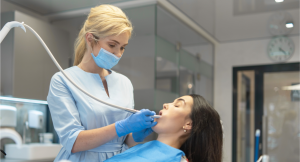
The interplay between genetics and oral health represents one of the most intriguing areas of modern dentistry. Scientific investigations have identified specific genetic variations that can predispose individuals to periodontal disease, alter the composition of their saliva, and even influence the strength of their tooth enamel. For those seeking professional guidance on managing their unique oral health profile, consulting with a dentist Soho practitioners can provide personalised strategies that account for both genetic and environmental factors.
Genetic Markers Associated with Periodontal Disease
Periodontal disease, which encompasses conditions ranging from mild gingivitis to severe periodontitis, has been shown to have a substantial hereditary component. Research into the genetic basis of periodontal conditions has identified several genes that influence inflammatory responses within gum tissue. These genetic variations can determine how aggressively one’s immune system responds to bacterial accumulation along the gumline.
The interleukin-1 gene cluster, for instance, plays a pivotal role in regulating inflammatory processes throughout the body, including within oral tissues. Individuals carrying certain variants of this gene may experience heightened inflammatory responses to plaque bacteria, potentially leading to more rapid progression of gum disease. Similarly, variations in genes encoding for vitamin D receptors can affect the body’s ability to maintain healthy bone density around teeth, influencing the likelihood of developing advanced periodontal disease.
The Genetic Influence on Tooth Decay Susceptibility
Dental caries, commonly known as tooth decay, also demonstrates notable genetic components that extend beyond simple inheritance of tooth structure. The genetic factors influencing cavity formation are remarkably diverse, affecting everything from enamel formation to saliva production. Studies examining the hereditary aspects of dental caries have revealed that variations in genes responsible for enamel matrix proteins can result in differences in enamel thickness, density, and mineral composition amongst individuals.
Saliva composition represents another genetically influenced factor that significantly impacts cavity risk. The genes controlling salivary flow rate, buffering capacity, and antimicrobial protein production all contribute to one’s natural defences against tooth decay. Those with genetic variants that produce more protective salivary proteins or maintain optimal pH levels may find themselves naturally more resistant to cavity formation, even when oral hygiene practices are less than ideal.
Taste Perception and Dietary Choices
An often overlooked genetic factor involves taste receptor genes that influence dietary preferences. Individuals with certain genetic variations may experience heightened sensitivity to bitter compounds, potentially making them more inclined towards sweet foods and beverages. This genetic predisposition can indirectly increase cavity risk through dietary habits, demonstrating how genetics can influence oral health through complex behavioural pathways.
Practical Applications for Personalised Dental Care
Advances in understanding genetic susceptibility to oral diseases are paving the way for more personalised approaches to preventive dentistry. Whilst genetic testing for oral health markers remains primarily within research settings, awareness of family history can provide valuable insights. Individuals with close relatives who have experienced early tooth loss or severe gum disease may benefit from more frequent professional cleanings and enhanced preventive measures.
Moving Forward with Genetic Awareness
Understanding the genetic dimensions of oral health empowers individuals to take a proactive stance towards their dental care. Whilst one cannot alter their genetic code, recognising inherited vulnerabilities allows for targeted interventions and heightened vigilance. The future of dentistry increasingly acknowledges that optimal oral health strategies must account for individual genetic profiles alongside traditional preventive measures, creating truly personalised care pathways that maximise outcomes for every patient regardless of their genetic predispositions.