Understanding the Psychology Behind Modern Dental Practice
The landscape of dental care has evolved significantly beyond the traditional clinical approach, embracing a more holistic understanding of patient psychology and comfort. Emotional design at the dentist Balwyn represents a paradigm shift that acknowledges the profound impact of environmental factors, interpersonal interactions, and sensory elements on patient wellbeing. This approach recognises that dental anxiety affects a substantial portion of the population, creating barriers to regular oral healthcare maintenance.
Contemporary dental practices are increasingly incorporating principles of emotional design to create environments that promote relaxation, trust, and positive associations with dental care. These design philosophies extend beyond mere aesthetics, encompassing every touchpoint of the patient journey from initial consultation through to post-treatment follow-up. The integration of thoughtful design elements serves to transform what was once perceived as a clinical necessity into a more comfortable and reassuring experience.
The Science of Comfort in Dental Environments
Research in environmental psychology demonstrates that physical spaces significantly influence emotional states and physiological responses. Dental practices that embrace emotional design principles often incorporate natural lighting, calming colour palettes, and comfortable furnishings to create a welcoming atmosphere. These elements work collectively to reduce cortisol levels and promote the release of endorphins, naturally alleviating stress and anxiety associated with dental procedures.
The auditory environment plays an equally crucial role in emotional design. Many progressive practices have moved away from the harsh mechanical sounds traditionally associated with dental equipment, instead incorporating sound-masking technologies and ambient music to create a more pleasant acoustic landscape. This attention to sensory detail helps patients feel more at ease and can significantly improve their overall perception of the treatment experience.
Building Trust Through Thoughtful Communication Design
Emotional design extends beyond physical environments to encompass communication strategies and patient interaction protocols. Practitioners who understand the importance of emotional connection often invest considerable time in explaining procedures, addressing concerns, and ensuring patients feel heard and valued throughout their visit. This approach to emotional dentistry with a mental health focus recognises that patient anxiety often stems from feelings of uncertainty or lack of control.
The implementation of clear, jargon-free explanations and collaborative treatment planning empowers patients to make informed decisions about their oral health. This transparency fosters a sense of partnership between practitioner and patient, transforming the traditional power dynamic into a more balanced relationship built on mutual respect and understanding.
Technology Integration and Human Connection
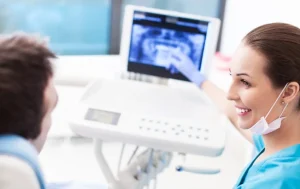
Modern dental practices successfully balance technological advancement with human-centred care. Digital imaging systems, for instance, can be presented in ways that educate rather than intimidate patients, helping them visualise treatment outcomes and understand the rationale behind recommended procedures. The key lies in presenting technology as a tool that enhances communication and understanding rather than creating distance between practitioner and patient.
Virtual reality systems and entertainment options during treatment represent innovative approaches to emotional design, providing distraction and relaxation during procedures. However, the most successful implementations maintain focus on genuine human connection, using technology to supplement rather than replace meaningful interpersonal interaction.
Measuring Success Through Patient Outcomes
Practices that prioritise emotional design often observe measurable improvements in patient satisfaction, treatment compliance, and long-term oral health outcomes. When patients feel comfortable and valued, they are more likely to maintain regular appointments and follow through with recommended preventive care. This creates a positive cycle where improved oral health reinforces positive associations with dental care.
The benefits extend beyond individual patient experiences to encompass broader community health outcomes. How emotional dentistry improves patient satisfaction demonstrates that practices embracing these principles often see increased referrals and stronger community relationships. Patients who have positive experiences become advocates for regular dental care within their social networks.
The Future of Patient-Centred Dental Care
As understanding of emotional design principles continues to evolve, dental practices worldwide are recognising the value of investing in patient comfort and psychological wellbeing. Whether seeking care from a dentist Balwyn residents trust or exploring options elsewhere, patients increasingly expect environments that acknowledge their emotional needs alongside clinical requirements.
The integration of emotional design represents more than a trend; it signifies a fundamental shift towards recognising the whole person behind the smile. Exploring the emotional blueprint behind smile design reveals how this approach creates lasting positive change in both patient experiences and oral health outcomes, establishing a new standard for compassionate dental care that benefits practitioners and patients alike.
Any surgical or invasive procedure carries risks. Before proceeding you should seek a second opinion from an appropriately qualified health practitioner.